Confused about NNN vs gross leases in Athens? You are not alone. The lease type you choose determines how much you pay each month, how predictable your costs are, and how you share risk with the landlord. In this guide, you will learn what each lease type means, how expenses get billed, what is common in Downtown Athens vs Epps Bridge, and how to compare offers with simple, real‑world examples. Let’s dive in.
Lease types at a glance
Triple‑net (NNN)
A triple‑net lease means you pay base rent plus most operating costs, such as property taxes, insurance, and common area maintenance. The landlord usually handles structural items unless negotiated differently. NNN shifts most variable cost risk to you. For a clear definition, see the Investopedia guide to triple‑net leases.
Modified gross (MG)
A modified gross lease splits operating costs in a negotiated way. You might pay a base rent that includes certain expenses in year one, then cover increases or specific pass‑throughs later. MG offers flexibility and is common for small to mid‑sized spaces. For an overview of lease types, review this commercial lease types primer.
Full‑service gross (full gross)
A full‑service lease bundles most expenses into one all‑in rent. The landlord covers operating costs and often includes escalation clauses tied to CPI or actual expense increases. You get predictability, though the base rent may be higher because those costs are built in.
What operating costs include
Operating expenses you may pay directly or through pass‑throughs can include:
- Property taxes, insurance, and CAM (landscaping, parking lots, common lighting, exterior cleaning)
- Utilities for common areas and potentially shared systems
- Repairs and routine maintenance; capital repairs are often landlord items but may be amortized and partially recovered
- Management or administrative fees, which are often negotiable
How you are billed typically works like this:
- Pro rata share: Your percentage is based on your rentable square footage divided by the building’s total leasable space.
- Monthly estimates with a year‑end reconciliation: You pay estimated amounts through the year, then settle against actuals.
- Base year or expense stop: The landlord covers expenses up to a set amount, and you pay overages.
What to watch:
- Make sure non‑operating items like mortgage interest, owner income taxes, and depreciation are excluded.
- Get a clear CAM definition with explicit inclusions and exclusions to avoid disputes.
- Address capital expenditures with thresholds, useful life, and amortization terms.
- Secure audit rights and a reasonable lookback window.
For measurement standards and best practices, reference the BOMA standards and publications.
Athens context: Downtown vs Epps Bridge
Athens’ mix of historic and newer properties shapes which lease types you will see and what you will pay.
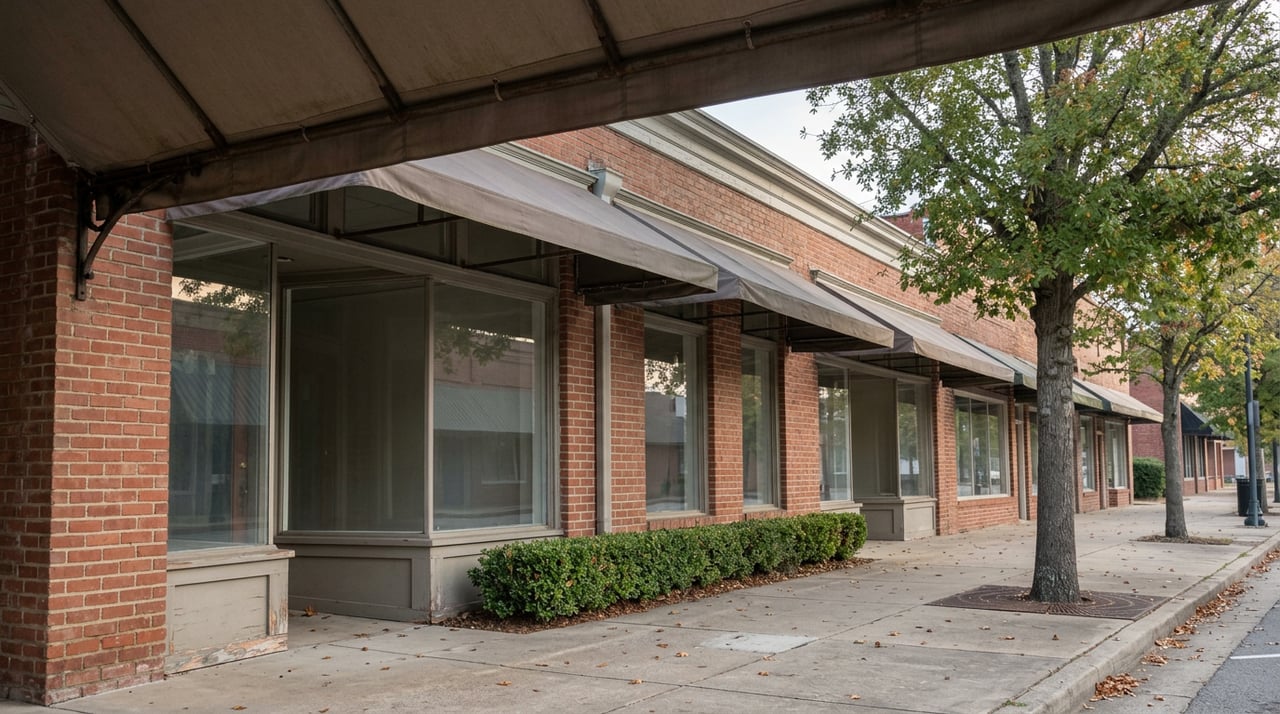
- Downtown Athens: Many small retail and restaurant spaces in older buildings use modified gross or full‑service structures. Complex shared systems, centralized HVAC, and limited metering make bundled pricing more practical. Parking is often public or shared, so clarify parking charges, validation, and signage rules.
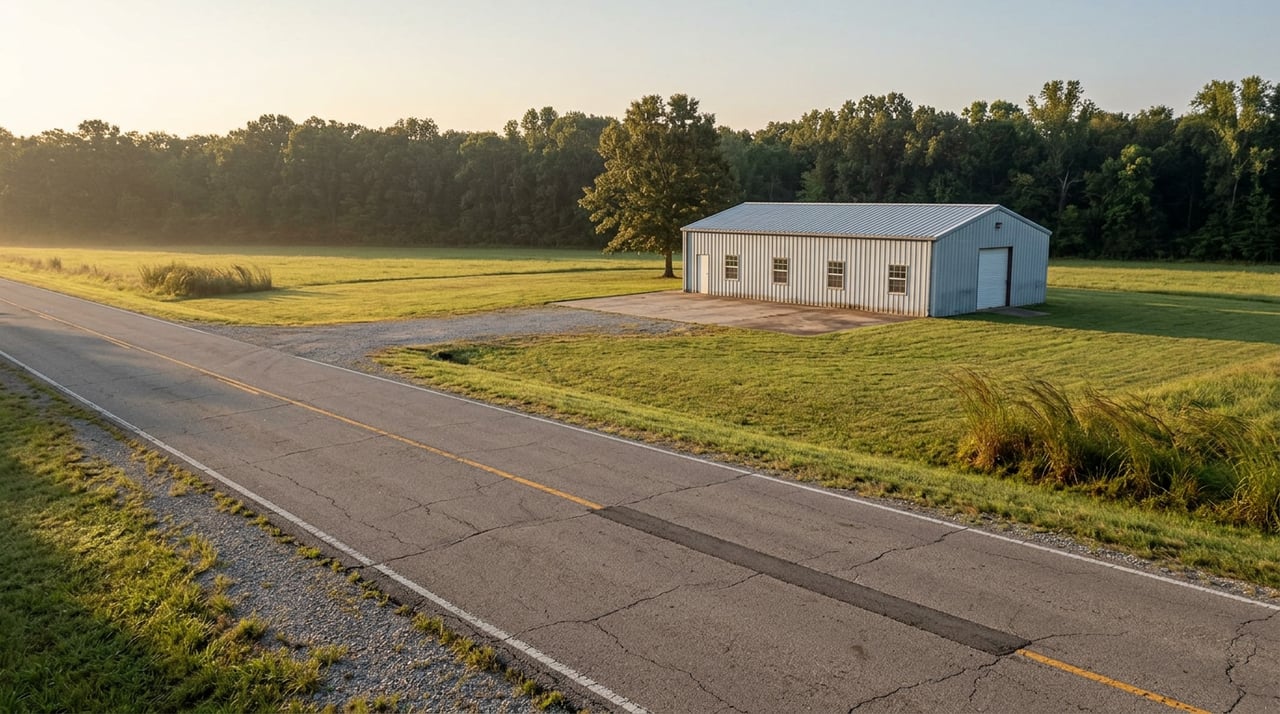
- Epps Bridge and Highway 316 corridor: Newer strip centers and big‑box formats are more likely to use NNN or NNN‑style leases. These properties often have large common areas and predictable CAM budgeting.
- Office: Small professional suites downtown often run full or modified gross. Suburban office and medical near Epps Bridge may use modified gross or NNN depending on the building and landlord.
- Industrial and flex: Single‑tenant industrial and flex buildings commonly use NNN.
Local factors that can affect cost and timing:
- Historic district rules downtown may impact exterior changes, signage, and some tenant improvements. Check resources on the Athens‑Clarke County site.
- Utility providers matter for budgeting. Georgia Power serves the area, and water, sewer, and solid waste are through Athens‑Clarke County. Review programs and service info from Georgia Power and ACC utilities via ACCgov.
- Property taxes are assessed locally and often passed through in NNN and modified gross leases. For current assessment and appeal processes, consult the Tax Assessor via ACCgov.
- Market demand ties back to UGA, healthcare, government, and supporting services. For business context and connections, see the Greater Athens Chamber of Commerce.
How the numbers add up
These simple examples show how lease structure changes your effective rent. Numbers are illustrative only.
Example A: Small downtown storefront
- Space: 1,200 rentable SF
- Full‑service offer: $20 per SF per year. Landlord covers taxes, insurance, common utilities, and exterior maintenance. You pay your suite utilities. Estimated monthly payment: about $2,000.
- Modified gross counter: $18 per SF in year one with landlord covering taxes and insurance; you pay utilities and a fixed maintenance fee. In later years, you cover increases in taxes and insurance or follow a CPI escalation.
- Takeaway: Full service is more predictable. Modified gross can lower year‑one cash outlay but adds future variability.
Example B: Epps Bridge big‑box pad
- Space: 10,000 SF; base rent $12 per SF NNN; your pro rata share is 20 percent.
- Estimated pass‑throughs: taxes $3.50, insurance $0.50, CAM $2.50 per SF. Effective rent equals $12 + $6.50 = $18.50 per SF per year.
- Typical features: Monthly estimates with an annual reconciliation, a 3 percent CAM cap, and capital costs amortized above a threshold.
- Takeaway: NNN shifts cost swings to you. It often pairs with a lower base rent but requires tight budgeting.
How to compare offers quickly
- Convert to effective rent: Add base rent plus expected pass‑throughs per SF. Use three years of actual reconciliations if available.
- Check escalation terms: Look for CPI adjustments, fixed annual increases, or caps on CAM.
- Review scope: What is included in CAM, what is excluded, and how are capital projects treated?
- Validate square footage: Confirm rentable vs usable area and any add‑ons like load factors.
Negotiation and due diligence checklist
For tenants
- Request three years of operating expense statements and reconciliations.
- Ask for a detailed CAM budget with clear inclusions and exclusions.
- Negotiate caps on CAM, exclusions or defined amortization for capital items, limits on admin fees, and an expense stop or base year.
- Insist on audit rights with a fair window and owner‑paid audits if a material error is found.
- Verify utility metering and allocation methods for shared systems.
- Confirm parking allocation, signage rules, and who maintains HVAC.
For owner‑users and investors
- Model both NNN and full‑service scenarios to test cashflow sensitivity to taxes and insurance.
- Understand Clarke County assessment cycles and appeals through ACCgov.
- If buying multi‑tenant assets, review prior CAM reconciliations, capital history, and insurance certificates.
For landlords and managers
- Provide transparent expense reporting and a written CAM budget.
- Align lease type with tenant mix: downtown retail may prefer full or modified gross; Epps Bridge tenants often expect NNN.
- Define operating expenses, management fees, and capital treatment clearly to reduce disputes.
Red flags to avoid
- Vague CAM language without a defined list of items
- Unlimited capital pass‑throughs with no amortization rules
- No audit rights or an unreasonably short audit window
- Administrative fees that seem excessive or duplicative
- Non‑operating owner costs included as recoverable expenses
Which lease fits your use
- You want predictability and simple budgeting: Consider full‑service, especially in older downtown buildings with shared systems.
- You want lower base rent and can manage variable costs: NNN may work well for suburban retail, industrial, or larger formats at Epps Bridge.
- You want a middle ground and flexibility: Modified gross can balance initial savings with clear escalation rules.
If you want help modeling effective rent and negotiating terms that protect your budget, reach out. As a CCIM‑credentialed commercial advisor, I can help you compare offers apples to apples and secure the right structure for your operation.
Ready to evaluate your lease options in Athens? Connect with Ashley Goodroe to request a commercial consultation or get a property valuation.
FAQs
What is the main difference between NNN and gross leases in Athens?
- NNN adds variable costs like taxes, insurance, and CAM on top of base rent, while full‑service gross bundles most costs into one predictable payment.
How are CAM charges calculated and billed to tenants?
- Landlords estimate monthly CAM based on your pro rata share, then reconcile against actual expenses at year end and bill any difference.
What lease type is most common in Downtown Athens?
- Modified gross or full‑service is common for smaller downtown spaces due to shared systems and metering in older buildings.
What lease type is typical near Epps Bridge and Highway 316?
- NNN leases are common for newer strip centers and big‑box formats, with tenants paying prorated taxes, insurance, and CAM.
How can I cap my exposure to rising operating costs?
- Negotiate annual caps on CAM, define capital expense treatment, and set an expense stop or base year so only increases are passed through.
Where can I find Athens resources on taxes, permits, and utilities?
- Use the Athens‑Clarke County site for planning, licensing, and tax resources, and Georgia Power for electric service information.