If you are searching for commercial space in Milledgeville, it is easy to focus on the asking rent and move fast. But in a smaller market shaped by downtown foot traffic, campus activity, and local permitting steps, the wrong lease can cost you time, money, and flexibility. The good news is that tenant representation helps you look past the headline number, compare your real options, and negotiate with a clearer strategy. Let’s dive in.
Why tenant representation matters
Tenant representation means having a commercial broker who works on your side of the lease decision. According to CCIM’s tenant representation framework, that support can include needs analysis, space identification, proposal review, lease negotiation, and guidance through occupancy.
That matters in Milledgeville because this is not a one-size-fits-all leasing market. The city had an estimated population of 16,664 as of July 1, 2024, while Baldwin County was estimated at 44,029 as of July 1, 2025, according to U.S. Census QuickFacts. Local demand is driven more by retail, services, education, and healthcare activity than by big-metro scale, so location fit and lease structure can have an outsized effect on your business.
What a tenant-rep broker does
A tenant-rep broker starts by helping you define what your business actually needs. That includes your target size, ideal location, parking needs, customer access, signage goals, budget, timing, and any special build-out requirements.
From there, the broker surveys the market, helps narrow your options, and coordinates site tours. The process outlined by NAR’s commercial tenant-rep overview also includes space planning, economic analysis, letters of intent, lease negotiations, and support after the lease is signed.
In plain terms, your broker helps you answer questions like:
- Which locations fit your daily operations?
- Which lease terms carry extra risk?
- Which space is truly affordable after expenses?
- Which site gives you the best chance to open on schedule?
Why Milledgeville requires local context
Milledgeville has a compact business environment with a few demand drivers that can shape leasing decisions quickly. Baldwin County reported 862 employer establishments and $579.8 million in annual payroll in 2023, while Milledgeville reported $768.8 million in retail sales and $122.4 million in accommodation-and-food-service sales in 2022, based on Census QuickFacts data.
That data supports what many business owners already sense on the ground. This market depends heavily on where people shop, dine, study, work, and park. A good tenant-rep strategy is less about chasing endless inventory and more about identifying the few spaces that truly match your business model.
Downtown traffic and visibility
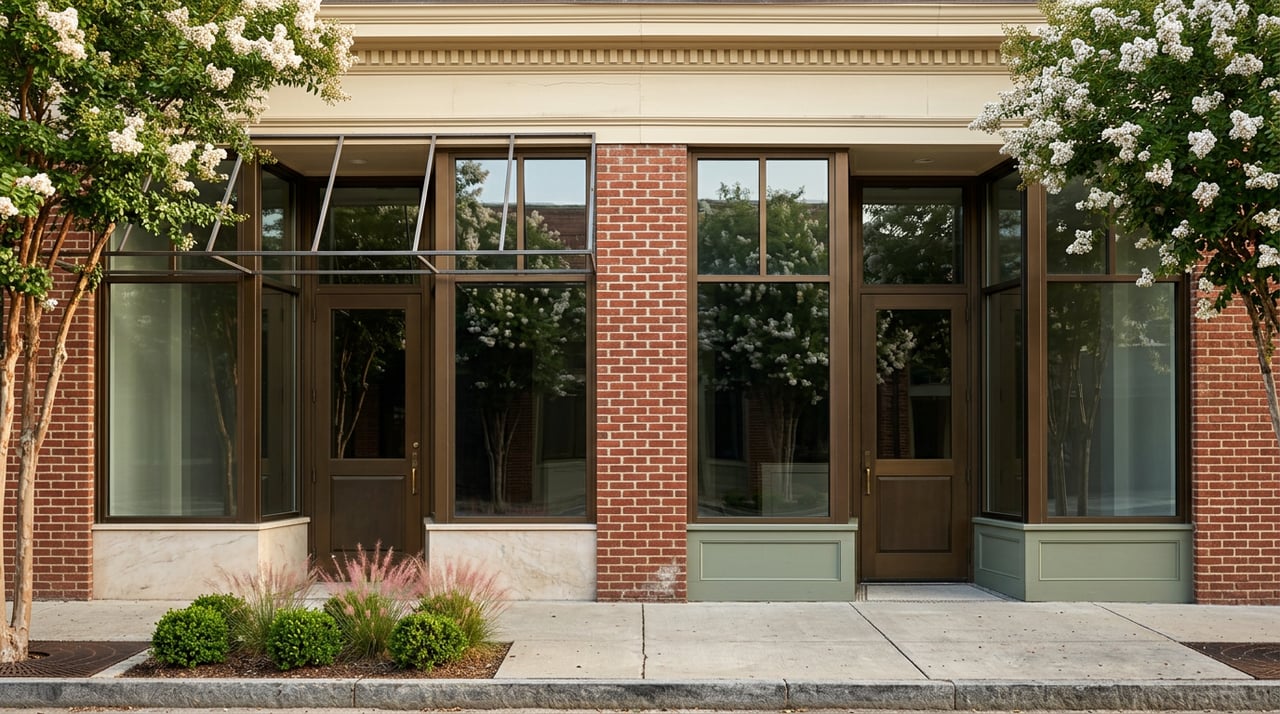
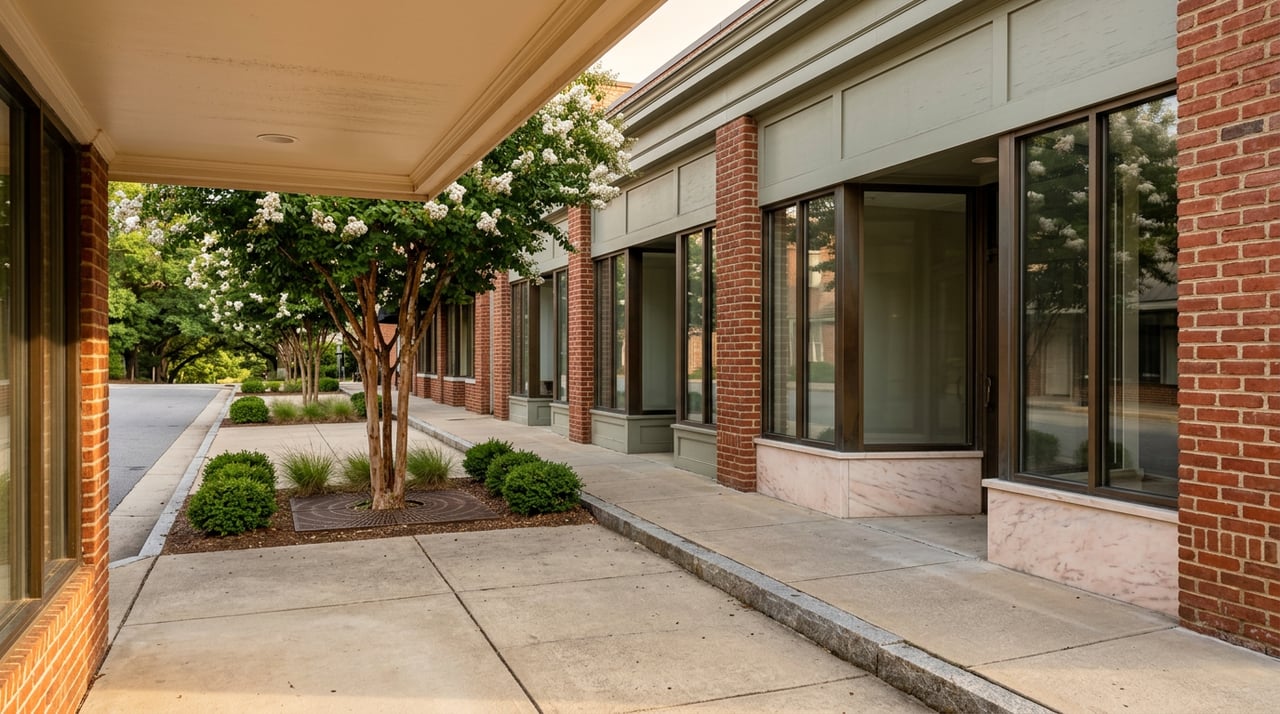
Downtown Milledgeville is a walkable historic district with over 15 retail shops, 12 restaurants, and recurring events such as Deep Roots Festival, First Fridays, and Hometown Celebration, according to Visit Milledgeville’s downtown parking and visitor information. That makes pedestrian flow, event traffic, and storefront visibility important factors for many retail and service users.
It also means access needs closer review. Downtown offers street parking and public lots, but some street spaces have two-hour weekday limits. If your business depends on longer appointments, staff parking, or repeat customer convenience, those details should be part of your site comparison from the start.
Campus influence on leasing
Milledgeville also has strong campus-related activity. Georgia College & State University reports more than 7,300 total students, and Georgia Military College’s main campus serves both residential cadets and commuter students in the area.
For some businesses, that can influence lunch traffic, service demand, and ideal operating hours. A tenant-rep broker can help you think through whether proximity to downtown or campus corridors supports the customer patterns you need.
Looking beyond base rent
One of the biggest mistakes business owners make is comparing spaces only by the quoted rent. That number matters, but it does not tell you the full cost of occupancy.
As NAR notes in its lease structure guidance, commercial leases can be gross, NNN, or hybrid. That means two spaces with similar asking rents may have very different total monthly costs once taxes, insurance, common-area maintenance, utilities, and other charges are factored in.
A tenant-rep broker helps you compare the full financial picture, including:
- Base rent
- Additional rent or pass-through expenses
- Utility responsibility
- Improvement costs
- Signage costs
- Move-in timing and downtime risk
- Renewal or expansion terms
That analysis is where strong representation can save you from choosing the space that looks cheaper at first glance but costs more over time.
Negotiating more than monthly rent
A lease is not just about what you pay each month. It is also about how much flexibility and protection you have if business conditions change.
According to NAR’s commercial leasing guidance, tenants may be able to negotiate items such as expense caps, audit rights, expansion rights, early termination rights, or graduated rent structures. Those terms can matter just as much as the starting rate.
Depending on your business, useful negotiation points may include:
- Renewal options
- Expansion or contraction flexibility
- Tenant improvement allowances
- Rent abatement during build-out
- Caps on certain operating expenses
- Audit rights for reconciled charges
- Signage rights
- Defined delivery conditions for the space
In a smaller market like Milledgeville, the available inventory may be limited. That makes it even more important to negotiate carefully when you find a space that fits.
Build-out and permitting can change your timeline
A lease signing is not the same thing as opening your doors. If your space needs modifications, approvals and scheduling can affect your launch more than many business owners expect.
In Baldwin County, the Planning & Development Department handles business licenses, alcohol licenses, building permits, inspections, land-use applications, addressing, GIS, and code enforcement. If your business needs interior alterations, signage, or a change related to occupancy or use, those steps should be considered early.
A tenant-rep broker helps connect the lease timeline to the real-world timeline. That may include coordinating with the landlord, your contractor, and other parties so you have a more realistic path from signed lease to opening day.
Historic review downtown
For downtown spaces, timing can become even more specific. The Milledgeville Main Street/DDA façade and infrastructure guidance explains that some proposed changes may require discussion with the Main Street director, review by the Planning/Code Department, and possibly a Historic Preservation Commission certificate of appropriateness.
That same guidance says the Historic Preservation Commission meets on the second Thursday of each month and needs project information 15 business days in advance. If your lease depends on façade changes, signage, or exterior improvements, that review schedule can affect your opening timeline in a very practical way.
Common leasing mistakes to avoid
Business owners often get into trouble when they move too quickly or compare options too narrowly. In Milledgeville, where inventory, downtown rules, and access patterns can all shape performance, a few missed details can create long-term headaches.
Here are some of the most common pitfalls:
- Focusing only on base rent instead of total occupancy cost
- Touring spaces before defining your operational needs
- Overlooking parking limits, customer access, or loading needs
- Signing before understanding permit or historic-review timing
- Missing negotiation items like expense caps, renewal options, or flexibility rights
- Underestimating the time needed for build-out and approvals
Good tenant representation helps you slow the process down just enough to make better decisions.
When to bring in a tenant-rep broker
The best time to bring in a tenant-rep broker is before you start making calls on available spaces. Early strategy matters because your first decisions shape everything that follows, from which listings you pursue to how much leverage you have in negotiations.
If you wait until after tours or after informal lease discussions begin, you may lose time or miss opportunities to structure the deal more carefully. Starting early gives you a clearer roadmap and helps you evaluate spaces with your business goals in mind.
How the right guidance helps you lease with confidence
A commercial lease can affect your operating costs, customer experience, staffing logistics, and growth options for years. In Milledgeville, that decision is shaped by a local mix of downtown access, campus-related traffic, permitting steps, and space availability.
That is why tenant representation is about more than finding a vacancy. It is about helping you choose the right location, understand the full cost, negotiate smarter terms, and manage the path to occupancy with fewer surprises. If you are weighing your next lease in Milledgeville, connecting with Ashley Goodroe can give you a clearer, more disciplined process from search to signed deal.
FAQs
When should a Milledgeville business owner hire a tenant-rep broker?
- The best time is before you begin touring or discussing lease terms, so your search, budget, and negotiation strategy are aligned from the start.
What does a tenant-rep broker do before touring commercial spaces in Milledgeville?
- A tenant-rep broker helps define your space needs, target areas, budget, timing, parking requirements, and build-out considerations before narrowing the market.
How is a downtown Milledgeville lease different from a commercial lease in another area?
- Downtown leases may require closer review of walkability, event traffic, two-hour parking zones, storefront visibility, and possible historic-review steps for certain exterior changes.
What approvals can delay a commercial move-in in Baldwin County?
- Depending on the space and your use, delays can come from business licensing, building permits, inspections, signage approvals, or historic review for some downtown projects.
What should a Milledgeville tenant negotiate besides monthly rent?
- You may also need to review operating expenses, expense caps, audit rights, renewal options, tenant improvement terms, signage rights, and flexibility for expansion or early termination.