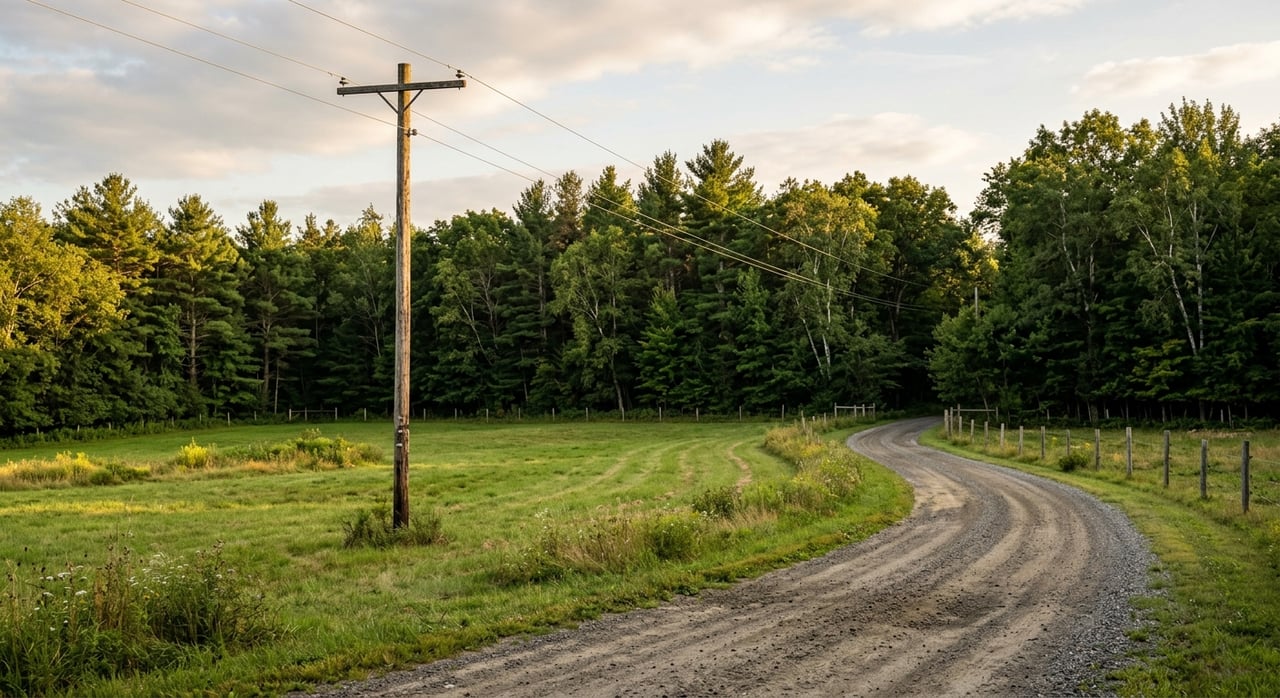
Buying rural land near Newborn can look simple at first glance. A few acres, a quiet road, and long-term upside can feel like a clear win. But in this part of Newton County, the best land investments usually go to buyers who slow down, verify the basics, and match the tract to a realistic use plan. Let’s dive in.
Why Newborn draws land investors
Newborn sits in Newton County and borders Jasper County, which makes location-specific due diligence especially important. If a parcel is near the edge of town, you need to confirm whether town, county, or state rules control access, utilities, and land-use approvals.
That matters because Newborn’s planning documents are clear about the community’s direction. The town wants to preserve its rural and historic character, while Newton County emphasizes protecting farms, natural resources, and rural land patterns in the eastern part of the county.
For you as an investor, that creates both opportunity and guardrails. Land near Newborn can be attractive for long-term holds, low-density homesites, agriculture, timber, and recreational use, but it is not a market where broad development assumptions should come first.
Start with the likely use path
Before you focus on price per acre, start with how the land can realistically be used. Around Newborn, the strongest investment thesis often depends on whether the tract works best as a rural hold, a low-density homesite, or a future subdivision candidate.
In many cases, the cleanest fit is a hold strategy tied to agriculture, forestry, open space, or recreation. Both county and town plans support preservation-oriented land uses, which can align well with investors who want to control acreage without rushing into immediate construction.
If your goal is a homesite or estate tract, zoning becomes even more important. Some parcels may support one home or a limited low-density residential concept, but that depends on frontage, lot size, utility access, and septic feasibility.
Subdivision plans need the most caution. The planning framework around Newborn generally favors conservation-minded growth patterns over wide rural sprawl, and in some protected corridors the county discourages residential subdivisions and sewer extension.
Understand the zoning basics first
Newton County’s comprehensive plan offers a helpful land-use guide, but it does not itself approve or prohibit uses. The zoning district is what controls what you can do with a parcel.
For rural land investors, three zoning categories deserve close attention.
A zoning: best for long-term rural holds
The Agricultural District is designed to maintain rural farm character and limit development pressure. It requires a minimum lot area of 10 acres, a minimum width of 400 feet, and allows a maximum impervious coverage of 15%.
If you are looking at a tract for farming, timber, recreation, or a patient land hold, A zoning may be a strong match. It is usually less suited to buyers hoping for quick density or broad redevelopment flexibility.
RE zoning: a middle ground for estate-style use
The Rural Estate District is intended to buffer agricultural land from more intensive development. It requires a minimum lot area of 2 acres, a minimum width of 200 feet, and also limits impervious coverage to 15%.
That can make RE more attractive if you are evaluating a single homesite, estate parcel, or a limited residential concept. Even so, you still need to verify practical development issues before assuming a tract is build-ready.
AR zoning: more flexibility, but verify utilities
The Agricultural Residential District is intended for relatively large-acreage, low-density single-family development. Minimum lot size depends on utility service, including whether the property relies on private well and septic or has access to public or community water.
This is one reason rural land analysis near Newborn cannot stop at the zoning label. Two parcels with the same zoning may have very different development potential based on water access, septic conditions, and road frontage.
Water and septic can make or break the deal
Infrastructure is one of the biggest filters for rural land near Newborn. The town has an active municipal water system, but Newborn does not have sewer service and relies on private septic systems.
That means wastewater capacity is often the real limiting factor. A parcel may appear attractive on paper, but if septic feasibility is weak, your options can narrow fast.
GNR Public Health regulates septic installations, repairs, and additions in Newton County. It also requires a Level 3 soil report for septic permits in its district, which makes soil and site testing a key part of early due diligence.
If a tract would use a private well, well placement also matters. Georgia guidance notes that private wells must meet setback rules from septic components and certain animal enclosures, so your site layout has to work as a system, not just as a map outline.
Access is your first legal checkpoint
Many land buyers focus on acreage, topography, and price, then treat access as a formality. Near Newborn, access should be one of your first checks.
Newton County identifies rezoning, special exceptions, conditional use permits, subdivision of land, and driveway permitting as core development review items. If the parcel fronts a state highway, access may also require GDOT review for work in the state highway right-of-way.
That includes things like grading, drainage work, temporary access to undeveloped land, and construction access. In practical terms, you should confirm whether the tract fronts a county road or a state route before you assume driveway approval will be straightforward.
Review flood, topography, and tract shape early
Before you spend money on deeper engineering or survey work, use public mapping tools to screen a property. Newton County GIS provides parcel, aerial, topographic, and flood-map data, which can help you spot common issues early.
This step can show whether a creek crossing, floodplain area, narrow frontage, or awkward tract shape could affect your plans. It also helps you compare one parcel against another before you move into more costly due diligence.
For rural land, shape matters more than many buyers expect. A tract with strong acreage but weak access, a difficult layout, or large constrained areas may not support the same exit strategy as a cleaner parcel nearby.
Factor in holding costs and tax treatment
Strong land investing is not just about the purchase price. Your annual carrying cost can shape your real return, especially if you plan to hold a tract for years.
In Georgia, property is generally assessed at 40% of fair market value. But some bona fide agricultural property may qualify for preferential agricultural assessment or conservation-use assessment if it meets the state’s requirements.
Conservation-use land is assessed at 40% of current-use value and typically requires a 10-year covenant. Preferential agricultural property is assessed at 75% of the assessment of other property, which equals 30% of fair market value.
For investors evaluating land near Newborn, that can be a meaningful difference. If a parcel may qualify, tax treatment should be part of your underwriting from the beginning, not an afterthought.
Watch for impact fees on development plans
If you are comparing a raw-land hold with a future build or subdivision concept, make sure you understand where fees may come into play. Newton County states that impact fees apply to residential properties only.
The county says those fees are assessed when there is a building or structure, a change in land use, or a connection to a public utility. That means your cost structure can change significantly once you move from passive holding into active residential development.
This is one reason the same parcel can look attractive under one strategy and less compelling under another. The land itself may not change, but the cost stack certainly can.
Match the parcel to the corridor
Not every rural tract near Newborn should be viewed through the same lens. County planning guidance for areas influenced by Mansfield and Newborn supports agriculture, residential use, neighborhood commercial, and parks or conservation, but it also discourages certain patterns in protected rural corridors.
In the Highway 11 Preservation Corridor, the county calls for protecting active farms and preserving agriculture, livestock, and forestry. It also says commercial growth should be concentrated at nodes and major intersections rather than spread along the corridor.
That tells you something important as an investor. A tract with exceptional frontage at the right location may deserve a different analysis, but most rural parcels near Newborn are usually better evaluated as land holds or low-density residential opportunities than as standalone commercial plays.
A practical due diligence checklist
If you are evaluating rural land near Newborn, keep your process simple and disciplined. A good first-pass review should answer a few core questions before you get attached to the property.
Ask these questions before you buy
- What jurisdiction controls the parcel: town, county, or state?
- What is the current zoning district?
- Does the future land-use category generally support your intended strategy?
- Is legal and physical access clear?
- Does the property front a county road or a state route?
- Is water service available, and if so, under what conditions?
- Is septic likely to work based on soil and site conditions?
- Are there floodplain, stream, or topographic constraints?
- Could residential impact fees apply later?
- Does the property appear eligible for favorable agricultural or conservation-use tax treatment?
Keep one more step in mind
Newton County is updating its Unified Development Ordinance to combine land-use, subdivision, stormwater, natural-resource protection, and design rules into one document. Because of that, you should confirm the latest ordinance text rather than relying only on an old listing description or MLS remark.
That extra verification can protect you from buying based on outdated assumptions. In rural land investing, a small zoning or permitting detail can have an outsized impact on value.
What usually makes the strongest investment
The strongest rural land investments near Newborn often share a few traits. They have clear access, workable zoning, realistic septic potential, and a strategy that fits the area’s long-term planning direction.
In many cases, that means a tract suited for agriculture, timber, recreation, or a low-density homesite will outperform a parcel bought on speculation alone. The market here tends to reward patience, fit, and careful underwriting more than aggressive assumptions.
If you want to invest near Newborn, the goal is not just to buy land. It is to buy the right land for the right hold period, with a plan grounded in what the parcel can actually support.
When you want experienced guidance on land strategy, valuation, and investment analysis in East Georgia, connect with Ashley Goodroe.
FAQs
What zoning matters most for rural land near Newborn?
- For many buyers, A, RE, and AR zoning are the most important rural categories to review because they shape minimum lot size, frontage, and likely development intensity.
What utility issue matters most for land near Newborn?
- Septic feasibility is often the key issue because Newborn has water service but does not have sewer service, so many rural properties depend on private septic systems.
What access issue should buyers check for Newborn-area land?
- You should confirm whether the parcel fronts a county road or a state route because driveway and access approvals can differ, especially if GDOT review is required.
What tax issue can affect carrying costs for rural land in Georgia?
- Agricultural and conservation-use assessment may reduce carrying costs for qualifying property, so it is worth evaluating whether the parcel meets the state’s criteria.
What is the safest investment strategy for rural land near Newborn?
- In many cases, the strongest strategy is a disciplined land hold tied to agriculture, timber, recreation, or low-density residential potential, supported by verified zoning, access, and septic feasibility.